Branding
by OneZeroEight
Oct 19, 2024
3-4 mins read
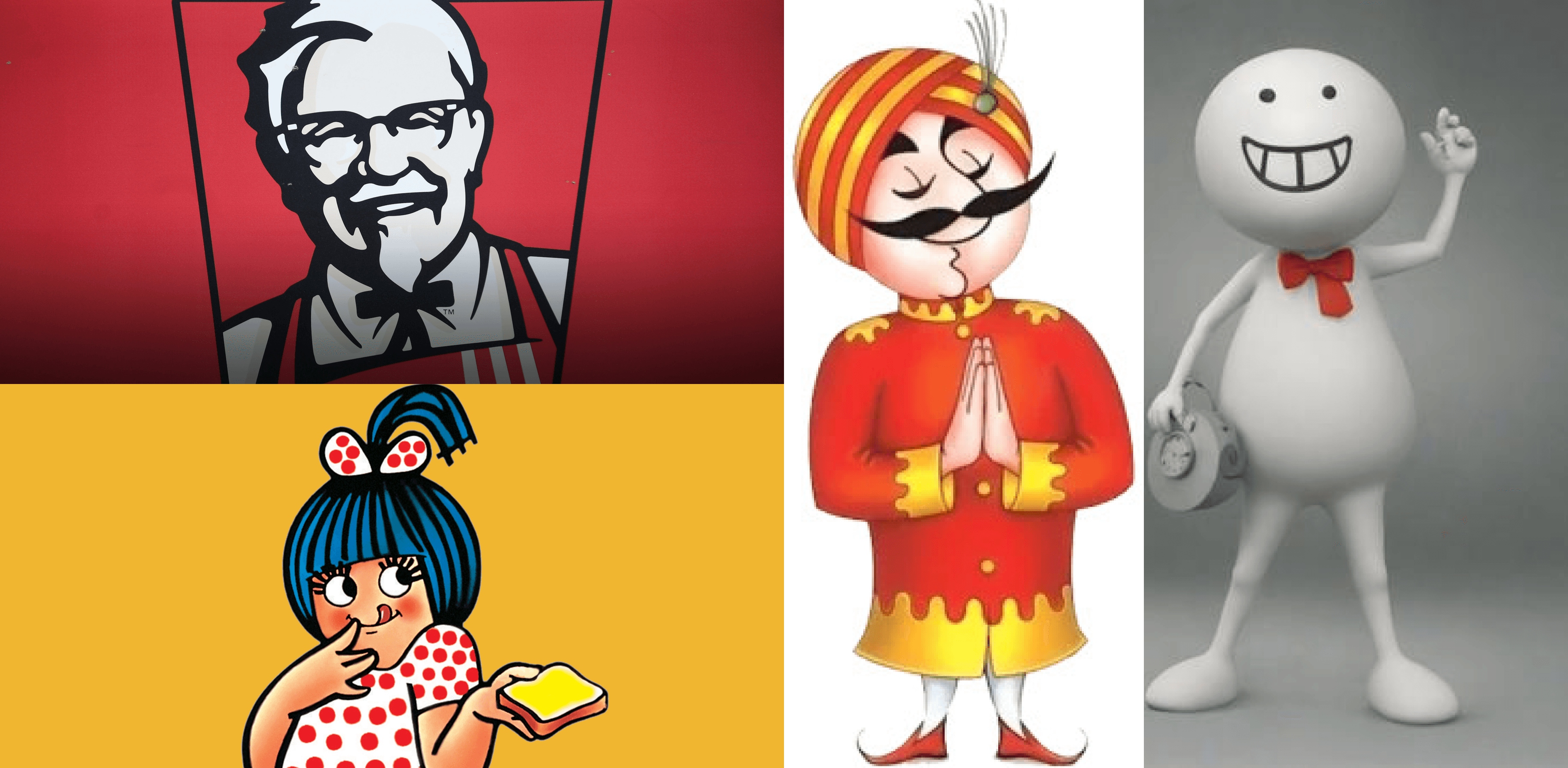
Connecting with consumers is critical to becoming a famous brand. Steady marketing efforts make iconic brands, and history bears testimony to the power of brand mascots.
Be it Mickey Mouse for Walt Disney or the little Parle-G girl or the funny clown Ronald McDonald– these brand mascots have been around for decades, keeping the brand well and truly alive in those who buy or engage with you.
Everyone defines a brand in their own way – the logo, promise, identity building, or trust. In simple terms – A brand is a perception created by the company or a person in the user’s mind, and mascots play a huge role in creating the perception of brands. They have the power to add a spark to your business. Leverage this powerful tool right, and you will watch your brand expand and explore new heights.
Experts’ definition of Brand mascots :
The materialization of a brand’s personality in the form of an animated object figure or an animal, symbolic in nature, is referred to as a brand mascot. It acts as a spokesperson/ representative.
Functioning as a synthesis of its visual identity and facilitating brand identification, a brand mascot fosters an emotional connection with the audience. They serve as a fundamental way of delivering the brand message to users.
Popular brand mascots include:
The Amul girl
Maharajah Air India
Vodafone Zoozoo
KFC Colonel Sanders
Logos are not to be confused with mascots. There is a fine line of difference between the two.
Typically, a logo is the brand identity represented by a stylized form of the brand name or a graphical symbol. On the other hand, a mascot is a communication thread between a brand and its audience. It offers a glimpse into the company’s value.
Here are facts to help you realize the immense potential of brand mascots
Perhaps the world’s most powerful brand is Disney. According to reports, the friendly Mickey Mouse has an impressive recognition rate of around 98% from children in the age group 3-11 years old.
Research states that brand mascots have a positive psychological impact on customers’ purchase decisions.
A survey confirms that brand mascots can increase emotional connection and profit with consumers by up to 41%.
The audience responds strongly to characters that mimic human behaviors.
Ad campaigns with mascots are 37% better positioned for a more prominent market share than those without.
Launching your brand? Pick from the following three types of brand mascots:
Human characters, Superheroes, real people, and fictional characters.
Why?
They can give a brand some emotional resonance, empathy, and personality. They build strong connections via likeability, friendliness, fun, humor, and more.
Example : Our favorite fried chicken magnate, a fictionalized Colonel Sanders, has been a huge success-contributor to KFC’s advertising and branding. What more catalytic an emblem can there be than a look-alike with the founder of KFC?
1) Animals as characters
Tiger, cow, rabbit, jaguar, and more.
Why?
Animals are adorable and funny. Audiences respond to animal mascots as they prefer being entertained by a cute tiger instead of being subjected to pure promotional content.
Example : Tony the Tiger confirms that animated animals can be just as effective as human mascots. Entering his eighth decade, Tony has been providing dedicated service to Kellogg’s Frosted Flakes.
2) Objects as characters
Inanimate objects, anthropomorphic characters, fruits, and more.
Why?
Although not as common as human and animal mascots, they are still effective in narrating your story to the audience. They establish friendly connections with the people, contribute to a sense of likability, and differentiate one from the common crowd.
Example : Android’s Robot mascot. The round shape, green colour features, and antenna-like ear represent a perfect brand face for Android.
3) Hybrid Characters
Human-like objects, animals, or abstract forms.
Why?
Hybrid mascots combine human features with non-human elements, creating a versatile character that feels relatable while adding a unique twist. They blend familiarity with imagination, helping brands stand out.
Example : The Kool-Aid Man, a talking pitcher with human traits like arms and legs, effectively merges the inanimate with the relatable, making it memorable and engaging.
Popular brand mascots have been ruling hearts. Although a mascot is not mandatory for your branding, it has some significant advantages.
Narrates the brand story :
A friendly brand mascot embodies your company’s spirit. It connects with the audience and conveys your brand’s story in the most unique way possible. Things get better when you have a human-like or animal mascot.Anchors an emotional bond with customers :
Mascots are a wonderful medium to connect and engage with your audience. People might come across your mascots on social media, at community events, and other places. They are likely to follow your brand owing to the emotions the mascots entice in them.Creates a unique brand personality :
You can earn considerable recognition through your mascot. It helps customers differentiate your brand from your competitors. Therefore, if a brand promotes its mascot correctly, it enhances its recognizable value and pushes forward the brand’s message.Improves content marketing :
Compared to banners and logos, mascots are far better at communication. Their gestures, facial expressions, voices, and other features add more appeal to the audience. The brand stories of a brand mascot are more likely to be remembered for a longer time period.Increases engagement :
They put forth a friendly brand image and help increase brand engagement with your audience. Disney Minnie and Mickey engage with children by being funny. As a result, customers from different demographic profiles connect to your business.
Today, mascots use conversational AI to interact with people in real time, making experiences more personal and engaging. For example, Coca-Cola’s AI Santa talks to users during the holidays, while Kia’s mascot helps customers explore cars and book test drives.Generates revenue :
The cuter your mascot, the more people adore it. This popularity and fan-following give the brand a perfect opportunity to sell its products and generate noteworthy revenues using its brand mascots.
When wondering how to create your space in your consumer’s heart, turn to OneZeroEight. We bring you cutting-edge technology by incorporating conversational AI technology in digital mascots, creating interactions instead of just transactions.
Having helped numerous brands accelerate their journey, our dedicated team puts in effective research to target the real audience
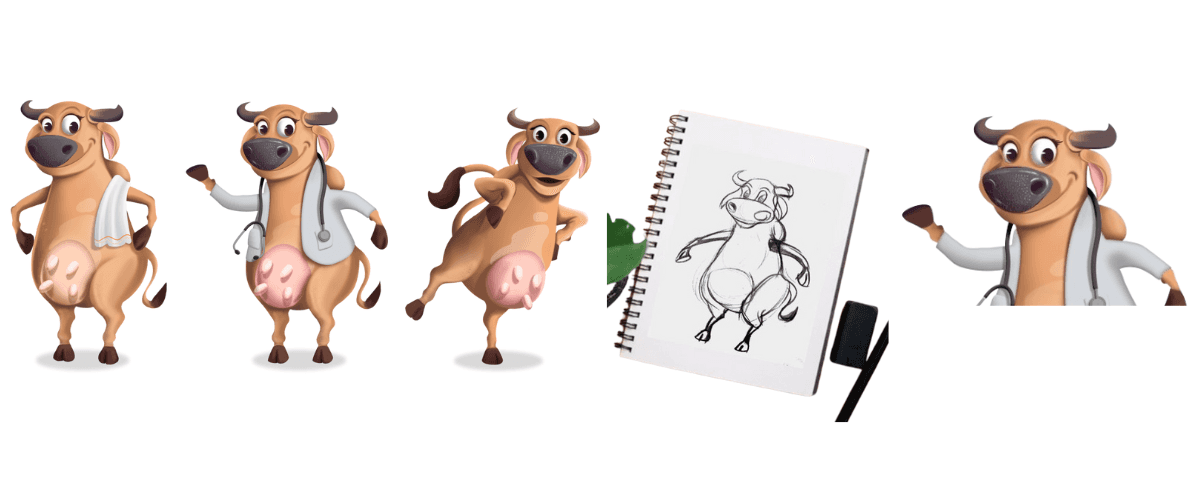
We have had delighted customers like Vetmaya, for whom we created a cow character named Surabhi to make the target audience (rural consumers) aware of the brand and its importance. Surabhi served as a mascot for Vetmaya’s communication collateral and helped them lure immense traffic.
Our services are structured after resonating with the client in order to provide effective solutions. Our ChikuPiku venture bears testimony to our participation in boosting a platform for kids’ engagement and education
At OneZeroEight, we cater to your specific needs and guide you at every step. Here is what we offer under mascot creation:
A dedicated team understands your brand values. The values would be the kind of roadmap that would guide both your brand story, your behaviors, and even mascot actions.
We have talented artists who create mascots that tell your brand’s story.
We then design the personality of your mascot.
The best graphic designers and experts put your requirements together to curate a unique brand mascot.
Share

