Design
by Abhijeet Kawankar
Nov 8, 2021
3-4 mins read
There is much noise in the word – Design Language System. You might have heard this term now and then. A simple question might be pondering over and over – What is it? Does your organization need it? How to build an effective DLS? What are its alternatives?
Design Language System is a collection of reusable components assembled and guided by clear standards to build several applications. Strictly speaking, it’s not just a collection of components and assets. They are pattern libraries, a big box of UI Lego pieces that can be assembled in infinite ways.
Pattern libraries, rules, and UX guidelines eliminate inconsistencies when shipping products in large amounts. Whenever you create a product, it’s a pile of reusable UI elements with meaning and structure. With the help of a DLS, designed components are more transparent and easier to search for.
This guide, you’ll learn the following:
Why Does Your Brand Need a Design Language System?
How to Build an Effective DLS?
Growth of Organizations with the Help of Design Language System
Alternatives of Design Language System
What Do Big Brands Have to Say about DLS?
Design Language System Evolution – What’s in the Future?
Design Language Systems improve the design and development of workflow. An effective DLS decides how much of a system you need when you need to start building the design system and what components to include in it.
To quickly iterate confidently, brands’ design teams need to access a single source of truth, allowing them to scale UI language and streamline UX guidelines. Moreover, to obtain a consistent user experience, leveraging a central design language with brand touchpoints reaching numerous platforms and channels is necessary.
Building a deliberate design system is becoming more apparent due to the rise in the number of devices, tech environments, and browsers. And not just building a design system is the target; creating a logical and well-structured UI is the need to extend the aspect of every product to a wider audience. With that, the output of the organization increases its value. Know the importance of responsive web design!
Building a DLS involves careful planning and execution.
Building Blocks for DLS
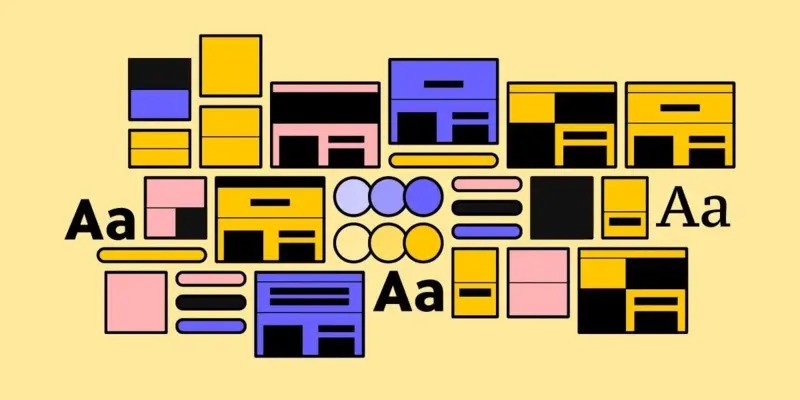
To create a successful DLS, establish key elements: standardize tools for collaboration, set up a structured folder system for easy resource access, maintain documentation for future reference, and develop a style guide with the help of UI audits, naming conventions, and a grid system for an overall consistent design.
Check out how UI psychology influences design!
Documenting the Process
It is crucial to document all processes and decisions related to the DLS to ensure easy reference and continuity, especially when onboarding new team members.
DLS Checklist
Here’s a comprehensive checklist for building a Design Language System:
Addressed to the entire digital ecosystem
Standardize tools used in the project
Establish a naming convention
Create a folder system for organization
Thorough documentation of all processes
Develop a style guide with a UI audit
Maintain a pattern library for reusable components
Create a toolbox of design tools
Set a grid system for design consistency
Establish typography and text styles.
Here are a few practical examples of large design systems and how they have done things in the right way :
Atlassian’s Design System
It is a peppy design system all about using personality to connect tools with people and boldly make statements. Various secondary brand palette color names have been included, such as dragon’s blood, hairy fairy, cheesy blasters, and more. The essence of this DLS is that they are optimistic and focused on being more of a human than choosing the humorous path.
Shopify Design System
Also known as Polaris, Shopify’s design system has a global presence. It’s about ease of use and scalability. Shopify focuses more on merchants’ experiences, and that is what’s helping them create an intense global appearance.
Carbon by IBM
The corporate design of carbon by IBM is people plus practice plus places. The focus is on the three aspects to create a respectful design in the company by bringing a healthy change in culture. This design system was made with three distinct practices – research, thinking, and language.
Material Design by Google
Material Design is the name of the design language system developed by Google. It has been created to enable developers to create a high-quality digital experience for Android, iOS, and web users. Guidelines by Material Design have become the signature look of their website and apps. They are synonymous with Google’s services, which have proved to be a boon for the brand.
While adopting a DLS, allocation and upfront commitment take time, the work needs to be completed with the full support of team members to socialize the system. However, these challenges create trouble over time.
Rather than focusing on long-term profit, companies can focus on creating one product to attract an audience for a shorter period. It’s a good way to tie brands with the market seamlessly. The time is saved, and it helps the brand grow.
Your brand can create products by taking help from other clients. You will not gain much initially, but it will reduce the risk of failure. Unless your brand offers them templated products, the chances are slim.
Rely on specific groups of people, learn from them, and try turning your formal design into a worthwhile solution. Augment your team’s resources faster, leaving signs of doubts and further probable interrogations. You must understand their ideas and know if they will work practically. Only these queries should be answered while internally allocating the resources.
Big tech giants, such as Uber, Airbnb, and IBM, have utilized digital ways to transform their businesses by incorporating their unique Design Language System. Each has been able to pace the creation and innovation with their teams by setting standards, utilizing a collection of repeatable components, and guiding toward using them.
Former developer experience lead at Uber, Chris Messina, says that design systems evolve the map of a brand’s known product territories. Your brand can explore new regions with a convenient and centralized design system with directional pointers.
The thoughts are mutual in various organizations. Design systems create an exceptional user experience. That’s what Macro Suarez, product designer at Invision, thinks. According to Diana Mounter, design systems manager at GitHub, design systems are constantly evolving. The way you share and encourage the adoption of new iterations also evolves.
The common systematic approaches among these big brands are team efficiency, design scalability, end-user experience, and Long-run cost-effectiveness.
Team Efficiency
Team efficiency is utterly essential. Too many cooks spoil the broth. In the same way, more people working on an idea spoil the essence of creating a full-fledged product. The thoughts get complicated, resulting in more chances to implement it incorrectly. Hence, proper planning and efficiency between designers and developers should be handled from planning to execution.
Design Scalability
There’s no shortcut to design scalability. All you have to do is put standards in place. Following a systematic approach from the beginning and being consistent eventually speeds up the product development process and the overall speed of the product output.
End-User Experience
Various brands forget to focus on the end-user experience. Focusing more on profit instead of customer satisfaction will not help attract customers. Having a better understanding of users irrevocably converts them into happy customers associated with the brands for a longer duration. Check out how design serves as a powerful medium of communication!
Long-run cost-effective
Building a DLS is something that takes time initially, but all those hours invested are money. Once it’s built, it saves you both time and money by letting your teams work productively and not necessarily have to redesign for each new project.
Companies face challenges when it comes to building an aesthetic and usable product. When different minds come together, there can be several inconsistencies in principles, designs, ideas, and the selection of components that can consume time.
A DLS is an efficient way to develop and design a profitable product in a compiler to solve these problems. When big brands like WeWork, Google, MailChimp, IBM, and Apple use DLS, what’s stopping your brand from using it and designing your company’s product that will serve its purpose over the years?
The design system is one of the most crucial components of a brand. You have to be unbiased while developing it, be relevant in documentation, and encourage flexible systems that evolve. Only this will help your brand impact the community and create digital user experiences that bring about real change.
Share

